Advantages of Gas Infrared Tube Heaters
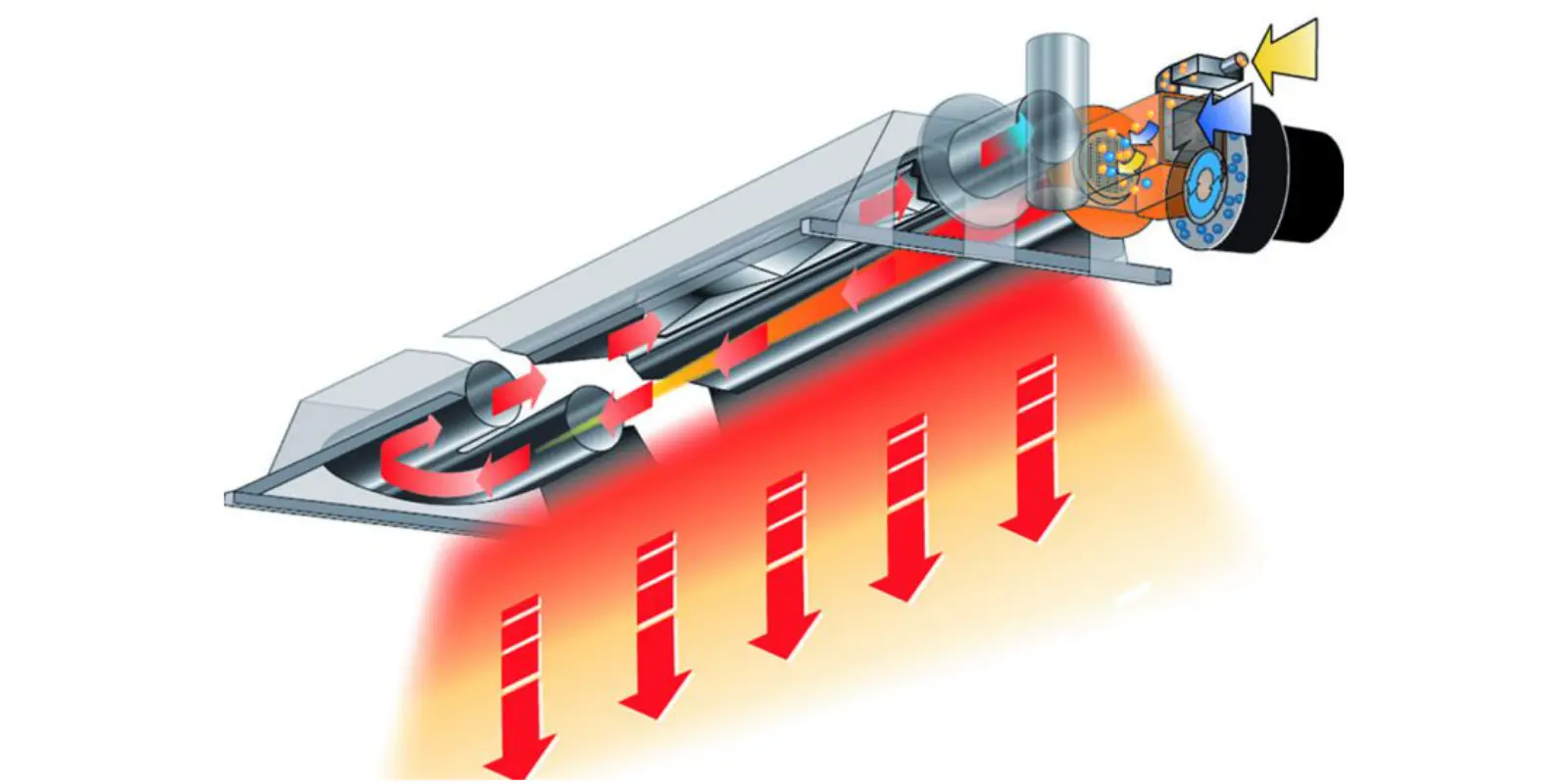
Gas infrared tube heaters are known for their energy efficiency and ability to provide targeted warmth. One of their main advantages is their ability to heat specific objects and surfaces directly, rather than heating the surrounding air. This focused approach minimizes energy waste and results in faster heating times, especially in large, open areas where traditional heating systems may struggle to provide sufficient warmth.
The use of natural gas or propane as a fuel source also makes these heaters a cost-effective option, particularly in areas with affordable or abundant natural gas supplies. Gas infrared tube heaters are typically less expensive to operate than electric heating systems, especially in large commercial or industrial spaces where the need for consistent, long-term heating is significant.
These heaters also offer increased safety compared to traditional open-flame heaters. The heat-producing tubes are designed to contain the combustion process, reducing the risk of direct exposure to flames or gas leaks. Additionally, the tubes act as a barrier, preventing the spread of flames or combustion gases into the surrounding environment. This design makes gas infrared tube heaters safer to use in environments where worker safety is a concern.
Another benefit is the even heat distribution that gas infrared tube heaters provide. The long tube design ensures that heat is spread over a larger surface area, reducing the likelihood of hot spots and providing a more consistent and uniform temperature throughout the space. This feature is particularly valuable in environments with high ceilings or large, open layouts, where conventional heating systems might have difficulty maintaining an even temperature.
Finally, because infrared tube heaters do not rely on air circulation to distribute heat, they avoid many of the problems associated with traditional convection heaters, such as drafts and the movement of dust or allergens. This makes them ideal for spaces where air quality is a concern, such as warehouses, factories, or agricultural settings.
Applications of Gas Infrared Tube Heaters
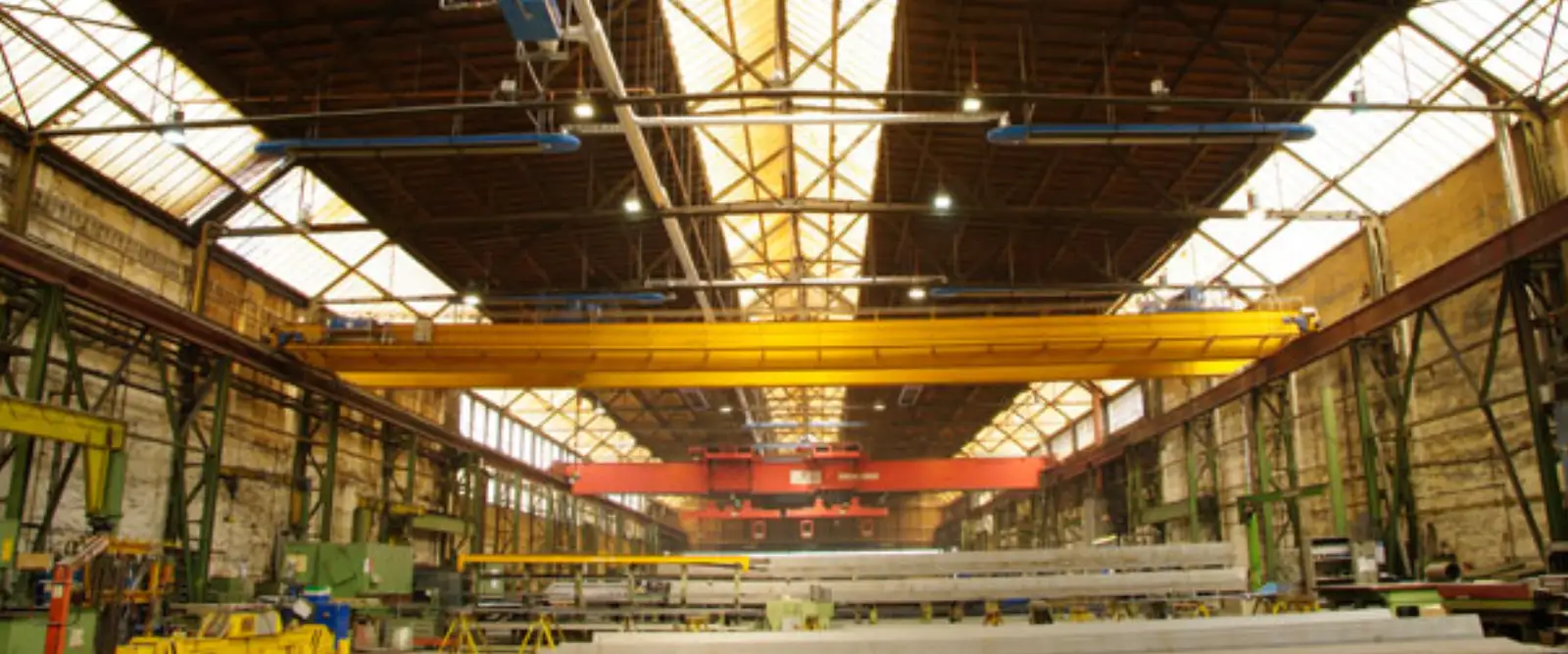
Gas infrared tube heaters are used across a wide range of industries and settings. They are particularly effective in large, open spaces where traditional heating systems might struggle to provide efficient warmth. In industrial settings, such as manufacturing plants, warehouses, and automotive repair shops, infrared tube heaters provide direct, targeted warmth to workers and machinery, ensuring a comfortable and safe environment even in large or poorly insulated spaces.
In agriculture, these heaters are commonly used in greenhouses, livestock barns, and poultry houses. The ability to direct heat precisely where it is needed helps maintain optimal conditions for plants and animals, protecting them from the dangers of frost or extreme cold temperatures. Similarly, in commercial environments like sports arenas, retail stores, and large dining areas, gas infrared tube heaters provide focused warmth to specific areas, ensuring comfort without wasting energy.
These heaters are also widely used for curing, drying, and heating processes in the automotive, aerospace, and construction industries. In these settings, infrared radiation is often used to cure coatings, adhesives, or paints because it heats the surface without significantly raising the temperature of the surrounding air, which could cause damage to delicate materials.
Interesting Facts
One of the key features of gas infrared tube heaters is their ability to span long distances. The longer the tube, the greater the surface area from which infrared radiation can be emitted, allowing for more extensive coverage of a large space. This characteristic makes them particularly useful in expansive industrial or commercial environments.
Additionally, these heaters are silent in operation. Since they do not rely on moving air or fans to distribute heat, they can be used in environments where noise reduction is important, such as in retail spaces or quiet factories.
The versatility of gas infrared tube heaters also allows for easy customization to suit different heating needs. These heaters come in various lengths and configurations, allowing them to be tailored to specific spaces. They can be installed in a variety of orientations, whether suspended from the ceiling, mounted on walls, or placed along the floor.