Zum Hauptinhalt springen

Gas Infrared Luminous Heaters: A Comprehensive Overview

Gas infrared luminous heaters are a popular and efficient method of heating, harnessing the power of infrared radiation to provide localized warmth in a wide variety of settings. These heaters have found applications in both residential and industrial environments due to their energy efficiency, effectiveness, and unique method of heat delivery. This article explores the functionality, history, and key features of gas-powered infrared luminous heaters.


Historical Background

The concept of using infrared radiation for heating dates back to the early 20th century. While electric infrared heaters were introduced first, the use of gas-powered infrared heating gained traction in the mid-20th century. The development of gas infrared heaters can be attributed to the growing need for more efficient, cost-effective heating solutions, particularly in commercial and industrial environments.

Early models were relatively simple, using gas burners to emit heat through ceramic or metal panels. Over the decades, advancements in materials and technology have significantly improved the efficiency and design of these heaters. Today, gas infrared heaters are widely used in outdoor heating applications, large warehouses, factories, and even in residential homes.
Functionality and Principles of Operation

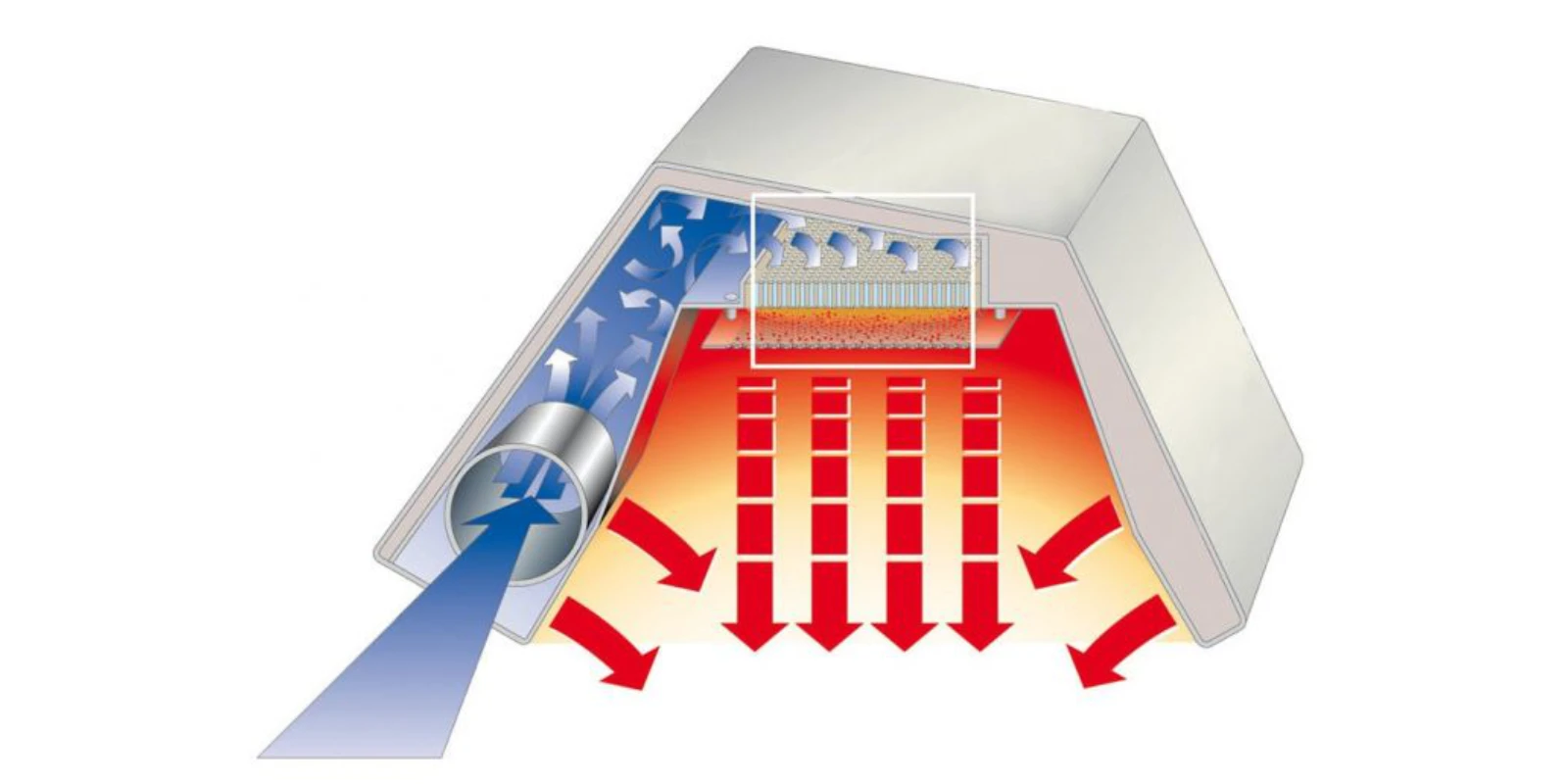
Gas infrared luminous heaters work by utilizing a gas fuel source—typically natural gas or propane—to generate heat. The process begins with the combustion of gas inside the heater’s burner, which heats a radiant panel (usually made of ceramic, metal, or carbon). The radiant panel absorbs the heat from the combustion process and then emits infrared radiation.

Infrared radiation is a type of electromagnetic wave that lies just outside the visible light spectrum. Unlike traditional heaters, which warm the air, infrared radiation directly heats objects and people in its path. This is why infrared heaters are often described as „luminous“ — because they emit visible light, unlike non-luminous heaters, which emit infrared radiation without visible light. The emitted infrared radiation then directly transfers energy to the surfaces it hits, raising their temperature and providing warmth.

This process of radiant heat transfer is highly efficient because it doesn’t rely on heating the air, which can be lost through ventilation or air movement. As a result, the warmth generated by gas infrared luminous heaters is more direct and focused, reducing energy waste.

The Principle of Ceiling-mounted Infrared Gas Heaters (Picture ©: Schwank GmbH)

Key Features and Benefits

  1. High Efficiency: Gas infrared luminous heaters are known for their energy efficiency. Since they heat objects directly rather than air, there is less heat loss. This makes them ideal for spaces where you need targeted warmth without wasting energy.

  2. Fast Heat-Up Time: Gas infrared heaters warm up instantly, providing immediate warmth. This makes them a great option for outdoor heating (such as in patios or outdoor dining areas), as well as for temporary or seasonal heating needs.

  3. Cost-Effective: The use of natural gas or propane as a fuel source makes these heaters a cost-effective solution for large or commercial spaces. Gas heating is typically more affordable than electric heating, especially in regions with abundant natural gas supply.

  4. Environmental Benefits: Compared to traditional electric heaters, which often rely on electricity generated from fossil fuels, gas infrared heaters offer a lower carbon footprint when powered by natural gas. They also do not produce the same level of emissions or pollutants as oil-based heaters.

  5. Focused Heating: Gas infrared luminous heaters provide highly focused, targeted heat. This is particularly beneficial in open spaces like warehouses or outdoor environments, where it’s inefficient to heat the entire area. The heat is felt only in the areas directly in front of the heater, reducing unnecessary heating of unoccupied areas.

Applications and Uses

Gas infrared luminous heaters have a wide range of applications:

  • Outdoor Heating: Gas-powered infrared heaters are commonly used for outdoor heating in patios, outdoor dining areas, and sports events. The quick, focused warmth makes them ideal for these environments.

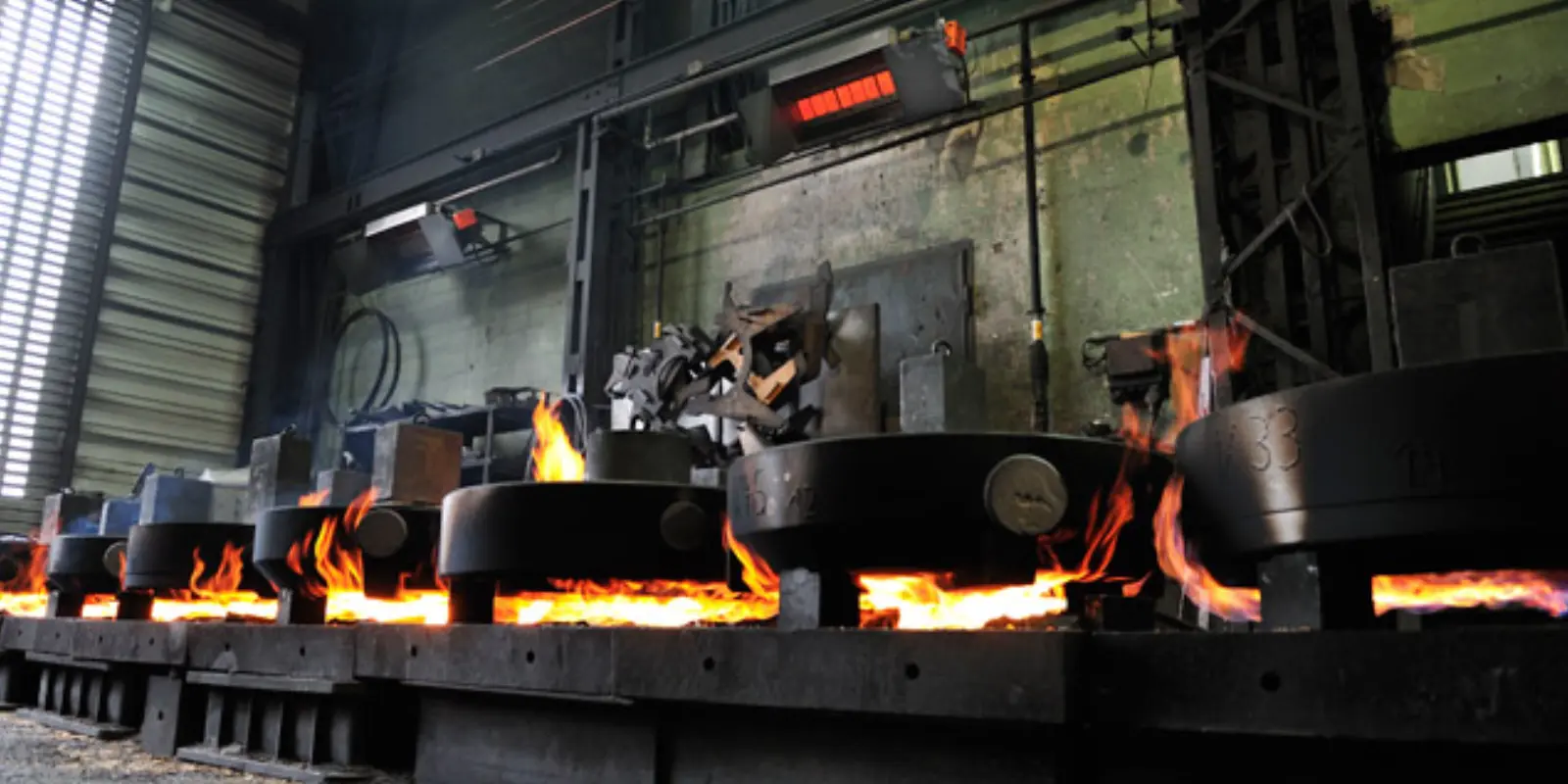
  • Industrial and Commercial: These heaters are widely used in industrial settings, including warehouses, factories, and garages, where they can provide direct heat to workers or machinery. They are also commonly used in drying or curing processes, as their radiant heat is effective in these applications.

  • Residential Use: In homes, gas infrared heaters can be used for spot heating in specific rooms or areas, such as bathrooms or kitchens. Their fast heat-up times make them a convenient option for areas with temporary heating needs.

Interesting Facts

  • Luminous vs. Non-Luminous: Gas infrared heaters come in two main categories: luminous and non-luminous. Luminous heaters emit visible light as part of their infrared radiation, creating a warm, glowing effect that is often associated with the heater. Non-luminous infrared heaters, on the other hand, emit infrared radiation without visible light and are generally used in applications where heat needs to be focused without visible light, such as in some industrial processes.

  • Increased Popularity in the 1970s: Gas infrared heaters became especially popular during the energy crises of the 1970s, when energy conservation became a key concern. Their efficiency and ability to heat specific areas quickly made them a valuable solution for both residential and commercial needs.

  • Safe for Use in Open Spaces: Gas infrared luminous heaters are often used in open or semi-enclosed spaces, such as outdoor patios or dining areas, because they do not rely on heated air circulation. This makes them less prone to ventilation issues and allows them to function effectively even in outdoor settings.