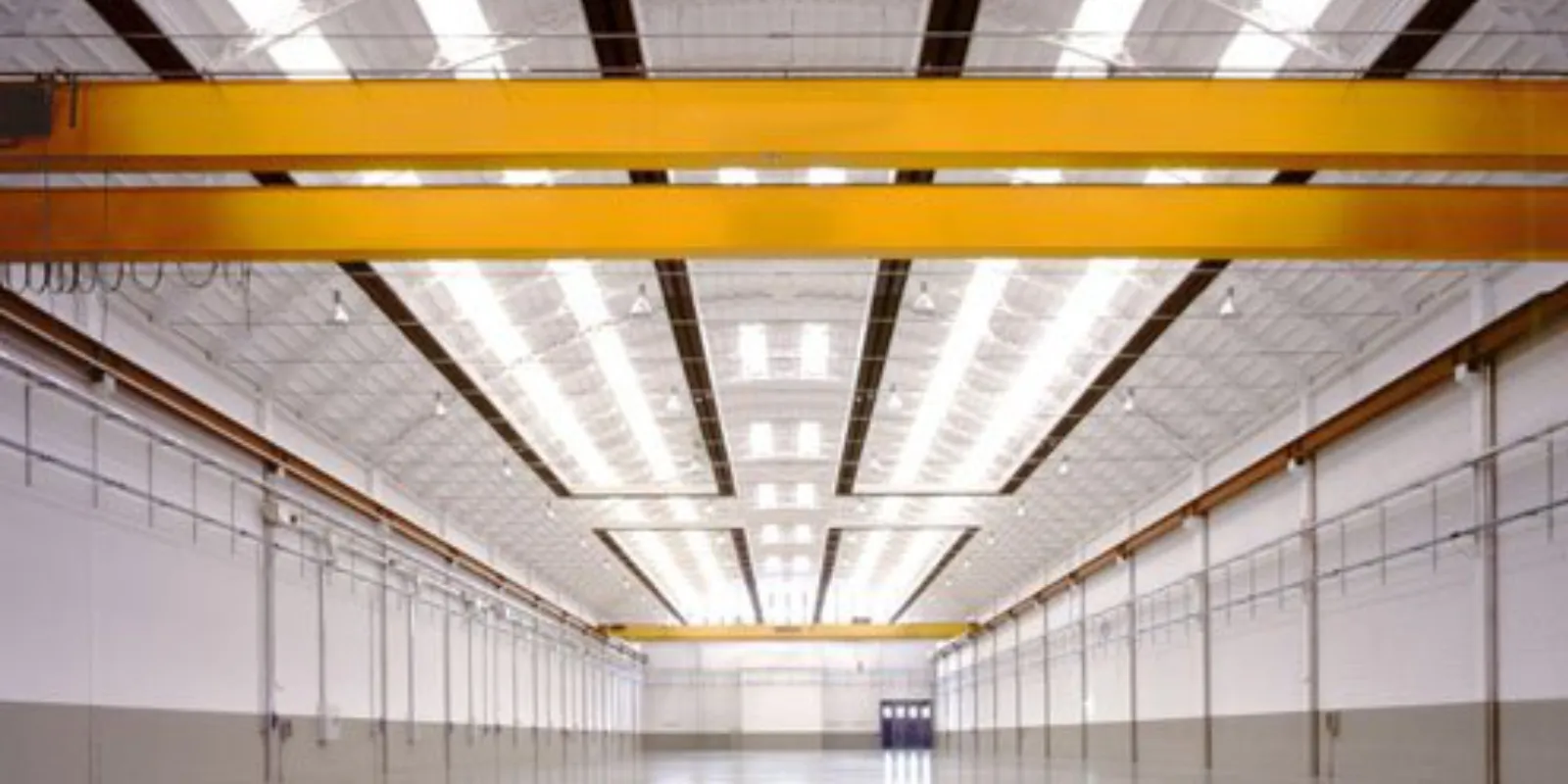
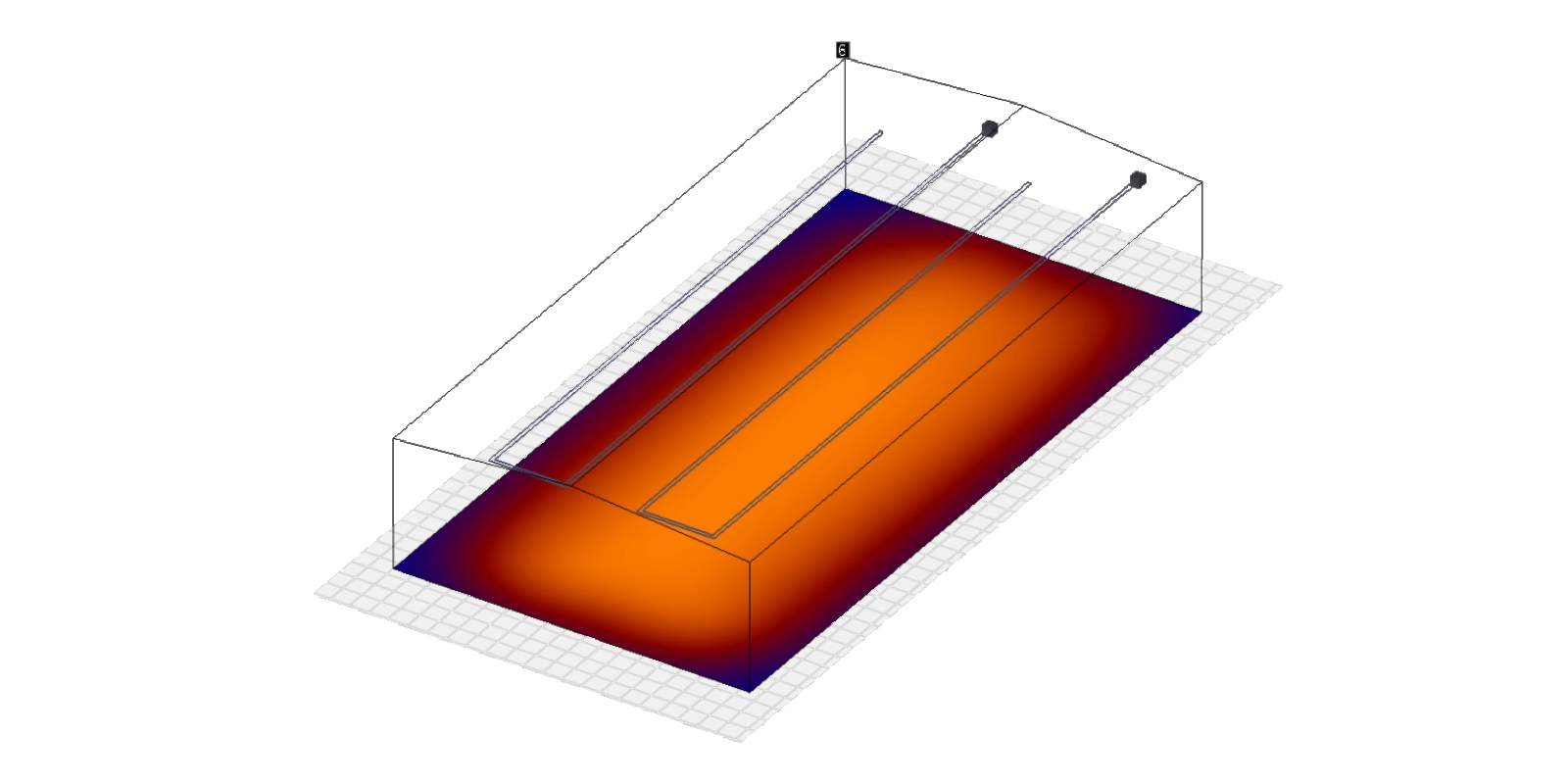
The Principle of Ceiling-mounted Gas Radiant Strip Heaters (Picture ©: Carlieuklima)
Advantages of Gas Radiant Strip Heaters
One of the primary advantages of gas radiant strip heaters is their high efficiency. Because these heaters directly heat objects rather than the air, they avoid many of the energy losses associated with traditional air-based heating systems. This makes them particularly useful in environments where energy efficiency is crucial, such as warehouses, outdoor spaces, or industrial facilities.
Gas radiant strip heaters also provide rapid heat-up times. Since they do not require the air to warm up first, the heat is felt almost immediately. This feature is especially beneficial in applications where fast and localized heating is required, such as in outdoor patios, open-air dining areas, or large warehouses where employees need quick and consistent warmth.
Another significant benefit of radiant strip heaters is their ability to focus heat on specific areas, rather than heating an entire room or space. This focused heating method helps reduce energy consumption by avoiding the unnecessary heating of unoccupied areas. For example, in a large warehouse, only the workers or machinery in need of heat will be warmed, without the need to heat the entire space.
Gas radiant strip heaters also have low operating costs compared to electric heating systems. Natural gas or propane is typically more affordable than electricity, especially in regions with a plentiful supply of these fuels. The cost-effectiveness of gas heating makes these heaters a popular choice for both commercial and industrial applications.
In terms of safety, modern gas radiant strip heaters are designed to operate safely even in large spaces. Many models incorporate advanced features such as automatic shut-off valves and built-in safety sensors to detect gas leaks or other malfunctions. Additionally, the use of metal or ceramic strips instead of open flames reduces the risk of fires or burns associated with traditional gas-fired heaters.
Applications of Gas Radiant Strip Heaters
Gas radiant strip heaters have a wide variety of applications, particularly in settings where localized, efficient heating is necessary. One of their most common uses is in industrial settings, such as factories, warehouses, and manufacturing plants. In these environments, the heaters are often used to provide direct warmth to workers, machinery, or production areas. The ability to direct heat to specific locations rather than heating the entire space helps reduce energy costs while maintaining a comfortable temperature for employees.
In commercial applications, gas radiant strip heaters are frequently used in outdoor settings, such as patios, cafes, and restaurants. These heaters can provide immediate warmth to customers and employees, extending the usability of outdoor spaces during cooler months. The focused heating ability ensures that only the areas being used for seating or dining are heated, further enhancing energy efficiency.
In agricultural settings, gas radiant strip heaters are utilized in greenhouses, poultry houses, and barns. In greenhouses, they help maintain optimal temperatures for plant growth, particularly during cold weather. Similarly, in livestock housing, radiant strip heaters can provide warmth to animals, protecting them from cold temperatures and ensuring their health and productivity.
Additionally, gas radiant strip heaters are often used in sports arenas and stadiums to provide warmth to spectators during outdoor events, especially in colder climates. These heaters help improve the comfort of fans in large, open-air venues by focusing heat on the seating areas.
Interesting Facts
Gas radiant strip heaters are particularly known for their even heat distribution. The design of the long, strip-like burner allows for more uniform heating across a larger surface area compared to traditional, spot-heating systems. This feature ensures that the heat is distributed in a predictable manner, minimizing the risk of cold spots or uneven warmth.
Another unique characteristic of these heaters is their silent operation. Unlike traditional forced-air heating systems, which often rely on fans or blowers, gas radiant strip heaters operate without creating noise. This makes them ideal for environments where noise reduction is important, such as in retail stores, restaurants, or factories where a quiet work environment is desired.
Gas radiant strip heaters are also known for their durability. Since they do not rely on moving parts, such as fans or blowers, these heaters have a longer lifespan compared to other heating systems. Additionally, the heat radiated by the strips helps maintain the longevity of the heater’s components, as they are continuously kept at an optimal operating temperature.