Centralized vs. Decentralized Gas Warm Air Heaters
When selecting a gas warm air heater system, one important distinction to consider is whether to use a centralized or decentralized heating approach.
In a centralized heating system, one large gas warm air heater is typically installed in a central location, and the heat is distributed throughout the building via a network of ducts or vents. This system relies on a single unit to provide heating for the entire space, making it a cost-effective option for large, open areas or facilities with multiple rooms or workspaces. Centralized systems are often more energy-efficient because they require fewer units to achieve the desired temperature across a larger area.
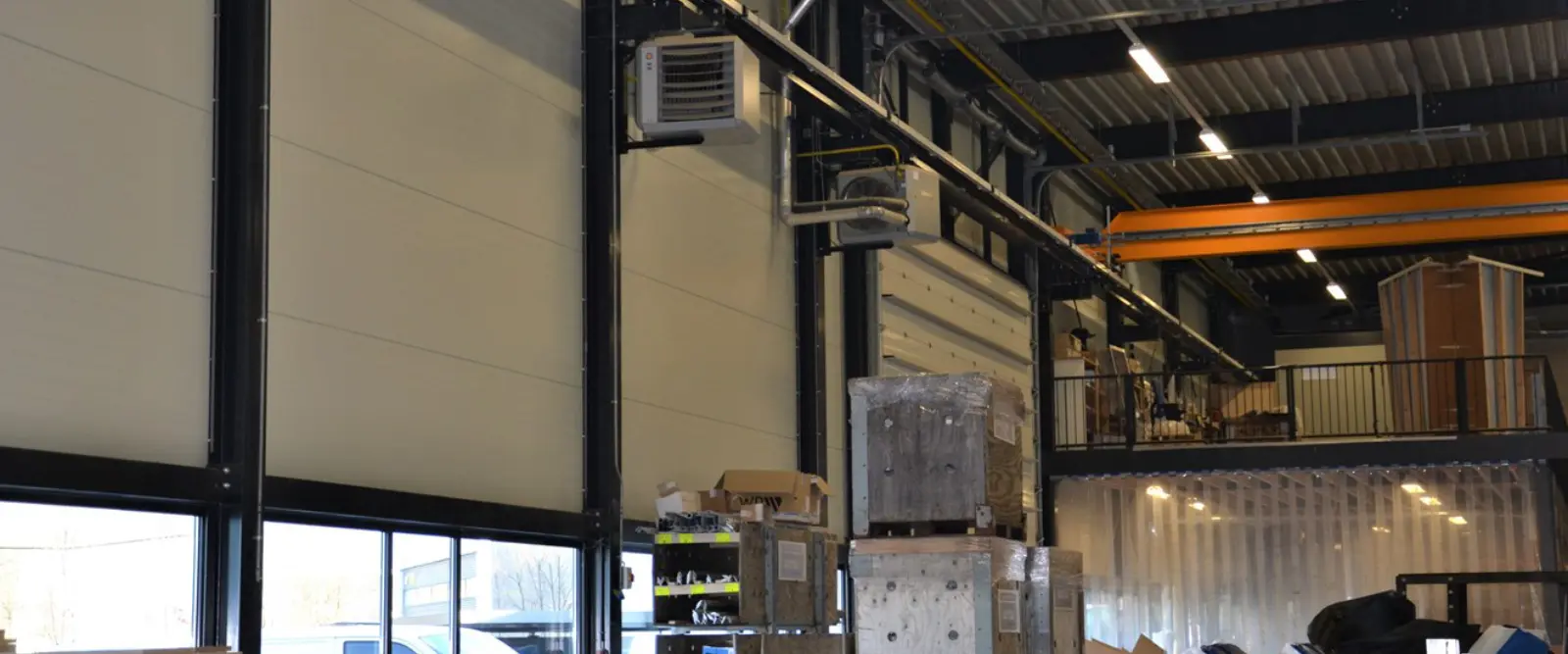
On the other hand, decentralized heating involves the installation of multiple smaller gas warm air heaters in various locations within the space. This approach is often used in large or complex industrial environments where different areas require separate temperature control or where it may not be practical to distribute heat via ducts. Decentralized systems are ideal for applications where localized heating is necessary, such as in factories with different production zones, warehouses with varying temperature requirements, or areas that are difficult to heat through a centralized system. Decentralized systems provide more flexibility, as each unit can be individually controlled, allowing for greater customization of heating needs.
Both approaches have their advantages and disadvantages. Centralized systems tend to be more energy-efficient and cost-effective in larger spaces, while decentralized systems offer flexibility and targeted heating for smaller or more complex spaces.
Advantages of Gas Warm Air Heaters
One of the primary benefits of gas warm air heaters is their high efficiency. Gas combustion is a highly effective way of generating heat, and modern warm air heaters are designed to maximize the efficiency of the combustion process, reducing fuel consumption and operating costs. In addition, gas is often more affordable than electricity, making gas warm air heaters an attractive option for industries that require large amounts of heat over extended periods.
These heaters also offer rapid heat-up times. Unlike traditional heating systems that may require extended periods to warm up a space, gas warm air heaters can quickly raise the temperature in large areas. This is particularly beneficial in industrial settings where production processes or worker comfort may depend on maintaining a consistent temperature.
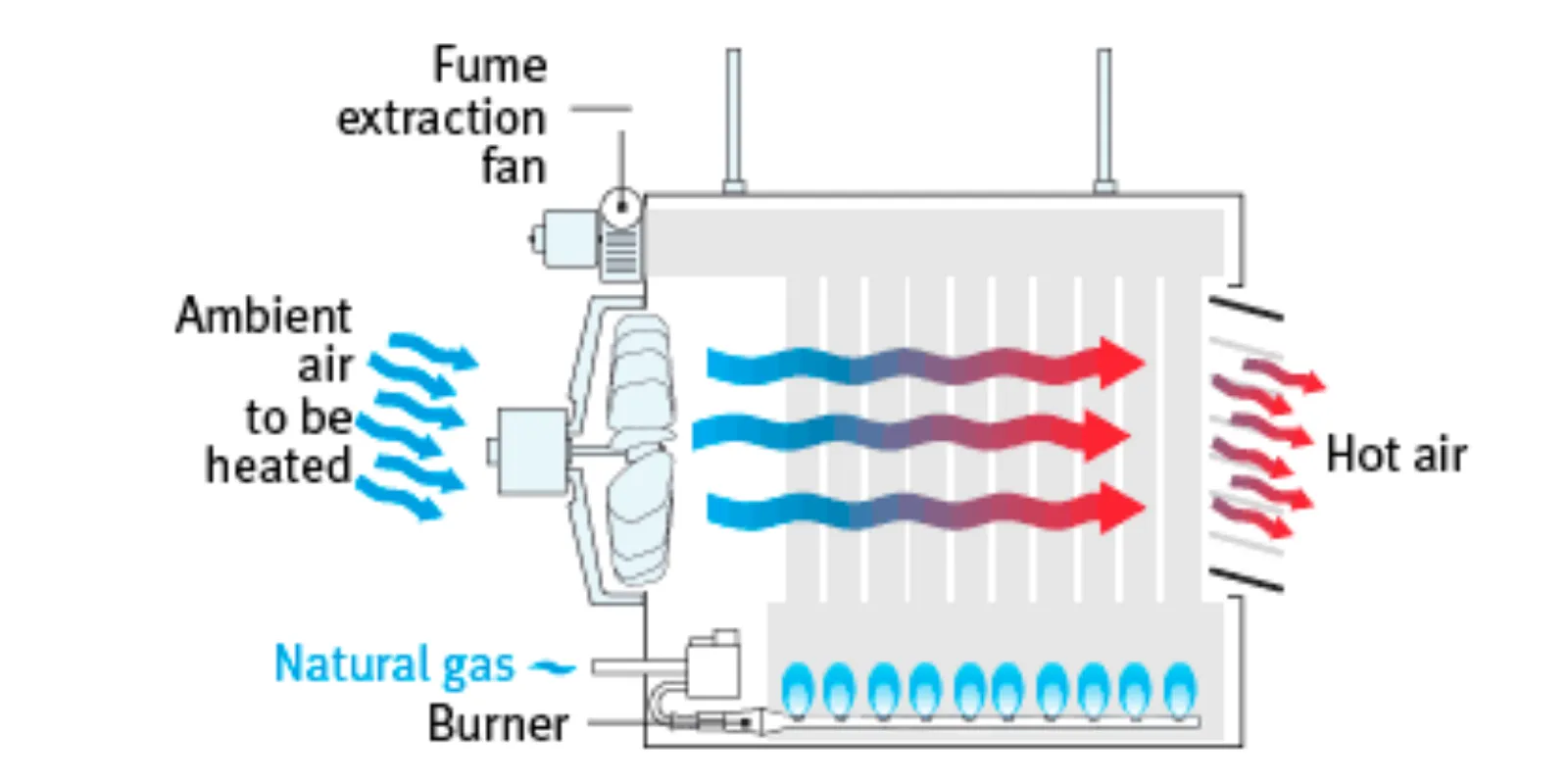
Another advantage of gas warm air heaters is their ability to provide consistent heat distribution. The forced air circulation system ensures that the warm air is evenly distributed throughout the space, preventing hot spots or cold areas that could affect comfort or productivity. This feature is especially important in large warehouses or manufacturing facilities, where uniform heating is essential for maintaining optimal working conditions.
Gas warm air heaters are also highly versatile in terms of installation. These heaters can be mounted on walls, suspended from ceilings, or placed on the floor, depending on the layout of the industrial space. Additionally, many gas warm air heaters are designed to operate in spaces with high ceilings, which are common in industrial environments, ensuring effective heat delivery even in large, open areas.
Applications of Gas Warm Air Heaters in Industry
Gas warm air heaters have a wide range of applications in industrial settings, from manufacturing plants to warehouses, garages, and construction sites. These heaters are particularly useful in environments where large areas need to be heated quickly and efficiently.
In factories and production facilities, gas warm air heaters are often used to maintain a consistent temperature that is conducive to both worker comfort and the optimal operation of machinery. Some processes, such as assembly line work or certain manufacturing operations, may require specific temperature conditions to ensure that materials behave properly or machinery operates smoothly. Gas warm air heaters provide a reliable solution for achieving and maintaining these conditions.
In warehouses and distribution centers, maintaining a stable temperature is critical for the storage of certain goods, especially temperature-sensitive products like food or pharmaceuticals. Gas warm air heaters ensure that large spaces are evenly heated, preventing temperature fluctuations that could damage products or affect the efficiency of operations.
In construction sites, where work conditions can be affected by outdoor temperatures, gas warm air heaters provide a portable and effective solution for keeping workers comfortable in temporary structures such as tents, sheds, or work zones. These heaters can also be used to keep materials from freezing or to maintain optimal working conditions in spaces that are difficult to heat with traditional methods.
Additionally, agriculture and greenhouses benefit from gas warm air heaters. Maintaining the right temperature in these environments is critical for the health of plants and animals. These heaters can quickly warm greenhouses and other agricultural buildings, helping to protect crops or livestock from extreme cold.
Interesting Facts
Gas warm air heaters are known for their quick response times, which allow them to rapidly adjust to changes in the environment. For example, if a door is opened or a change in temperature occurs due to external weather conditions, the heater can quickly compensate to maintain a consistent indoor temperature.
Another interesting feature of modern gas warm air heaters is their modular design. Many industrial gas heaters are designed to be modular, meaning they can be scaled to fit the specific heating needs of a space. Multiple units can be used in larger spaces, allowing for more precise control of the heating process.
Gas warm air heaters also offer improved air quality in industrial settings. Since these heaters use forced air to circulate heat, they do not rely on convection currents that might stir up dust, allergens, or other airborne particles, which is particularly important in environments that need to maintain a clean or controlled atmosphere.